
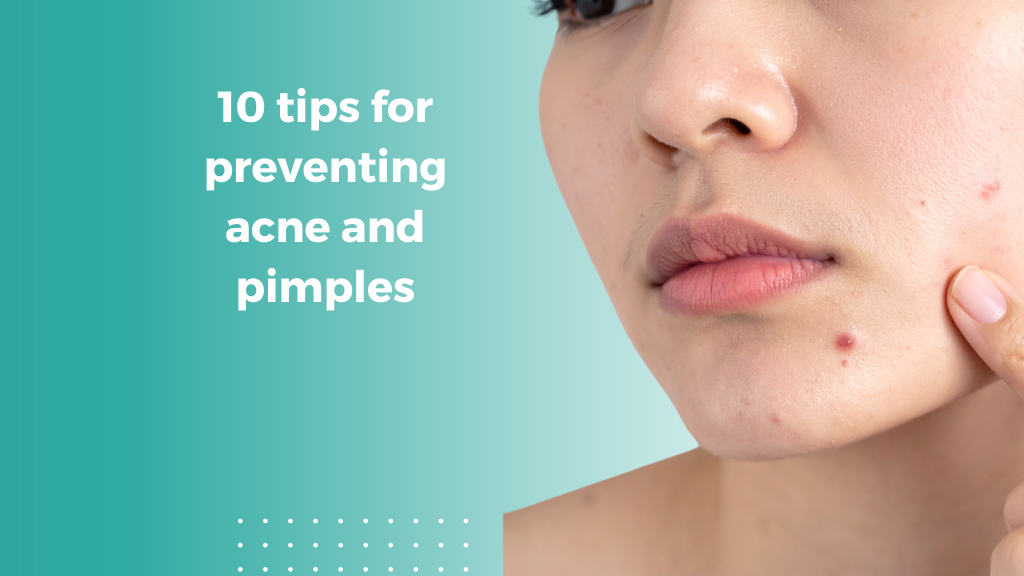
Acne is one of the most common skin concerns worldwide. Its effects are seen in millions of people of all ages and are especially common during adolescence, though adults in their 20s, 30s, and even 40s frequently experience breakouts as well.Â
While acne is often seen as a temporary teenage issue, it can persist or recur later in life, causing frustration and affecting confidence.
Many patients ask the same questions: how to prevent acne, how to prevent pimples, and how to stop acne from forming before it starts. The good news is that consistent skin habits and the proper medical guidance can significantly reduce flare-ups.
At Dr. Shehla Ebrahim’s clinic, patients receive practical, medically grounded advice tailored to their skin type and lifestyle. This guide shares 10 Tips for preventing acne and pimples, based on trusted clinical insights and patient education principles.
What is acne, and what causes pimples?
Before discussing prevention, it helps to understand the basics.
Acne develops when hair follicles (tiny openings in your skin) become clogged with oil (sebum), dead skin cells, and sometimes bacteria. When this blockage becomes inflamed, it forms what we commonly call a pimple.
What’s the difference between acne and pimples?
- Acne is an overall skin condition.
- Pimples are individual lesions that appear as part of acne.
Pimples may appear as:
- Whiteheads (closed, clogged pores)
- Blackheads (open clogged pores)
- Papules (small red bumps)
- Pustules (pimples with pus)
- Nodules or cysts (deeper, painful lumps)
Symptoms and causes
Common symptoms include:
- Red or swollen bumps
- Oily skin
- Tenderness
- Breakouts on the face, chest, back, or shoulders
Common causes include:
- Hormonal imbalance
- Excess oil production
- Sweating that leads to clogged pores
- Adverse effects of some medications
- Friction from masks, helmets, or tight clothing
- Frequent picking or squeezing pimples
Understanding these triggers is essential when learning how to reduce acne and pimples effectively.
Who is an ideal candidate for acne prevention guidance?
Anyone who:
- Experiences redness and frequent breakouts
- Has oily or combination skin
- Acne worsens during hormonal shifts and the menstrual cycle.Â
- Develops pimples from stress or certain skincare products
- Wants to prevent scarring or long-term skin damage
Prevention is essential for patients who have a habit of picking pimples, as this can lead to discoloration and scarring.
10 tips for preventing acne and pimples
Here are practical, medically supported strategies that answer the common concern: how to prevent pimples before they start.
1. Wash your face twice daily
Use a gentle cleanser morning and night. Washing removes excess oil, dirt, and bacteria that can clog pores. Avoid harsh scrubs on the face, which can irritate skin and worsen inflammation.
2. Choose oil-free and non-comedogenic products
Use products that are labeled as “non-comedogenic,” meaning they won’t clog pores. Try using non-comedogenic moisturizers, unscreens, and makeup products.
3.Avoid touching or picking your skin
Picking pimples can spread bacteria and its infection deeper into the skin and increase the risk of scarring. If a pimple forms, allow it to heal naturally or seek professional treatment.
4. Wash hair regularly
Oily hair can transfer oil to your forehead and cheeks, especially if it rests against your skin.
5. Be cautious with exfoliation
Skin can be gently exfoliated using various products that remove dead skin cells. However, over-exfoliating strips the skin barrier and can trigger more oil production.
6. Keep hands and phone screens clean
Make sure to clean your phone screen and avoid direct contact with unclean surfaces transfers bacteria to the face.
7. Remove makeup before bed
Sleeping in makeup traps oil and debris in pores. Always cleanse thoroughly at night.
8. Manage sweat promptly
After workouts or heavy sweating, wash your face as soon as possible. Sweat leads to bacterial growth that can mix with oil and clog pores.
9. Reduce friction on the skin
Tight collars, backpacks, helmets, and masks can cause “acne mechanica,” which is a form of acne triggered by pressure and rubbing.
10. Seek early treatment for persistent acne
If over-the-counter care isn’t helping, a professional evaluation is essential. Early treatment reduces the risk of deep inflammation and scarring.
These 10 Tips for preventing acne and pimples form the foundation of long-term skin health.
How acne prevention works?
Prevention focuses on three main goals:
- Reduce excess oil
- Keep pores clear
- Control inflammation
By maintaining consistent hygiene, using appropriate skincare, and addressing triggers early, you reduce the chance of clogged pores developing into inflamed pimples.
Benefits of following these acne prevention tips
- Fewer breakouts
- Reduced redness and inflammation
- Lower risk of scarring
- More even skin tone
- Improved confidence
- Less need for aggressive treatments later
Learning how to stop acne from forming early can prevent long-term skin damage.
Prevention strategies vs. common mistakes
Helpful Prevention Habits | Common Mistakes That Worsen Acne |
Gentle cleansing twice daily | Overwashing or scrubbing harshly |
Using non-comedogenic products | Heavy, oil-based cosmetics |
Removing makeup nightly | Sleeping in makeup |
Avoid picking or squeezing pimples | Popping pimples |
Washing face after sweating | Leaving sweat on skin |
This comparison helps clarify how to prevent acne in practical, everyday situations.
Are there any risks or considerations?
Most prevention strategies are safe. However:
- Overuse of strong acne products may cause dryness and irritation.
- Excessive washing can disrupt the skin barrier.
- Ignoring persistent cystic acne may lead to scarring.
If breakouts are painful, irritating, and spread all over the face rapidly, or leave marks, a medical evaluation is recommended.
Why choose Dr. Shehla Ebrahim for acne care?
Choosing the correct skin care physician matters when dealing with chronic acne.
Patients trust Dr. Shehla Ebrahim because she:
- Provides individualized skin assessments
- Focuses on treating the root cause of the condition
- Educates patients about long-term skin health
- Recommends evidence-based skincare strategies
- Prioritizes safe and realistic treatment planning
Her approach emphasizes practical answers to questions like how to prevent pimples and how to reduce acne and pimples without overpromising results.
Clear skin starts with the right habits
Acne may be common, but that does not mean it should be ignored. With consistent skincare habits and medical guidance, many patients see significant improvement.
These 10 Tips for preventing acne and pimples offer a practical roadmap for clearer, healthier skin. If you are one struggling with frequent breakouts and want an effective solution to your problem, a personalized consultation can make a meaningful difference.
Schedule a visit with Dr. Shehla Ebrahim to develop a prevention plan tailored specifically designed as per your skin type.
Frequently asked questions
1. How often should I wash my face to prevent acne?
Twice daily is usually sufficient. Overwashing can irritate the skin and worsen breakouts.
2. Does diet cause acne?
While no single food directly causes acne for everyone, some individuals notice flare-ups with high-sugar or high-dairy diets.
3. Can stress trigger pimples?
Yes. Stress may increase oil production and inflammation, leading to breakouts.
4. Is it okay to pop a pimple?
It is not recommended. Popping can push bacteria deeper into the skin and increase scarring risk.
5. When should I see a physician for acne?
If acne is painful, spreading, or leaving dark marks or scars, professional care is advised.
6. Do adults get acne, too?
Yes. Adult acne is common, especially in women, due to hormonal changes.
7. Can acne be permanently cured?
Acne can be well-managed, but it may recur depending on hormones and skin type. Consistent prevention is key.