Recognize the warning signs. Choose treatment, not discomfort.
Eczema can be frustrating, especially when flare-ups start affecting daily comfort, sleep, or confidence.
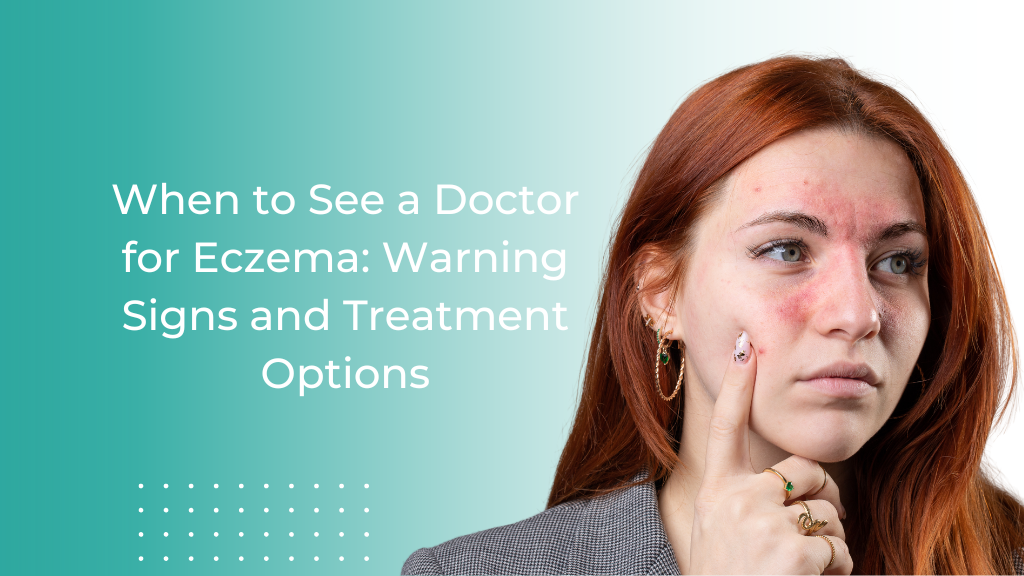
While many people manage symptoms at home, there are moments when professional care becomes essential to prevent complications and achieve long-term relief. Understanding the signs and knowing when to see a doctor for eczema can make a big difference in recovery and quality of life.
If you or your child is struggling with symptoms that keep coming back, disrupt daily life, or simply don’t seem to improve, knowing when to see a doctor for eczema can be the first step toward relief and clearer, calmer skin.
What is Eczema?
Eczema, also known as atopic dermatitis, is a chronic skin condition that causes the skin to become dry, itchy, inflamed, and highly sensitive. It occurs when the skin’s protective barrier doesn’t function properly, allowing moisture to escape and irritants to penetrate more easily.
Although eczema can impact individuals of any age, it is particularly common in children and often follows a pattern of repeated flare-ups and periods of calm.
While the condition is not contagious, it requires consistent care and management to keep the skin comfortable and healthy.
Delaying treatment can lead to skin infections, scarring, and prolonged inflammation. Early intervention helps doctors identify triggers, from allergens and stress to hormonal changes and environmental factors, and tailor a sustainable management plan.
When eczema needs medical treatment – Eczema warning signs
If you experience any of the following issues, it’s time to schedule a consultation:
1. Skin that is constantly inflamed or extremely itchy
Occasional irritation is common, but if the itch never goes away or causes scratching severe enough to break the skin, professional treatment becomes necessary.
2. Rapidly spreading or worsening rashes
Eczema flare-up signs that spread quickly across the body or worsen instead of improving may indicate uncontrolled inflammation or an allergic trigger.
3. Signs of infection
Seek medical help immediately if you notice:
- Yellow or honey-colored crusts
- Oozing or pus
- Increasing redness and warmth
- Fever or body aches
These symptoms may indicate bacterial infection, a serious complication that requires prompt treatment.
4. Thickened, darkened, or leathery skin
This can indicate chronic eczema caused by prolonged inflammation and repeated scratching. Medical intervention is needed to prevent permanent skin changes and scarring.
5. Sleep disturbances or reduced quality of life
When the condition interferes with sleep, work performance, self-esteem, or mental well-being, professional help can prevent further physical and emotional toll.
When to consult a skincare physician for Eczema?
A skincare specialist should be consulted when symptoms do not respond to basic skincare within two weeks, or when flare-ups become repetitive. A doctor will evaluate skin history, triggers, lifestyle factors, allergies, and any underlying medical conditions causing inflammation.
Consultation is especially important for:
- Children with persistent eczema
- Adults developing eczema later in life
- People with a family history of asthma, allergies, or dermatitis
- Individuals struggling with anxiety or stress-induced flare-ups
The goal of a physician is not just to calm the skin temporarily, but to help the patient understand what is triggering the irritation and how to prevent future episodes.
Eczema Treatment Options: Dr. Shehla Ebrahim’s Approach
Dr. Shehla offers Eczema treatment in Vancouver and globally focuses on personalized care, since symptoms and triggers differ from one patient to another.
So, she may recommend one or a combination of the following:
Topical Medications
- Corticosteroid creams to reduce inflammation and itching
- Calcineurin inhibitors for areas where steroids may be too strong (e.g., face)
- Prescription moisturizers to repair the skin barrier
Oral Medication
For more severe eczema symptoms, doctors may use:
- Oral antihistamines to reduce itching
- Antibiotics, if there is an infection
- Anti-inflammatory or immunosuppressive drugs for severe chronic cases
Lifestyle and Trigger Management
Our doctor also emphasizes on lifestyle management to manage eczema symptoms.
She helps identify and control triggers such as:
- Harsh skincare products
- Environmental allergens
- Stress
- Sweat and humidity
- Certain fabrics or foods
Education on long-term self-management is part of a comprehensive eczema care plan.
Why timely treatment matters?
Some people cope with flare-ups for months or years without seeking professional help, hoping symptoms will resolve on their own. Unfortunately, eczema rarely disappears without proper management. Continuous irritation can lead to sleep loss, emotional stress, reduced self-esteem, and chronic skin damage.
Timely treatment offers major advantages:
- Faster symptom relief
- Prevention of further flare-ups
- Reduced risk of infection
- Stronger and healthier skin barrier
- Better overall quality of life
Listening to your skin and acting early can dramatically improve comfort and confidence.
Reach Out for Expert Care and Eczema Treatment with Dr. Shehla Ebrahim
Eczema doesn’t have to take control of your comfort, confidence, or daily routine.
If you are seeking tailored eczema treatment in Vancouver, Dr. Shehla Ebrahim can aid you in regaining control of your skin health. She offers compassionate and evidence-based eczema care tailored to each patient’s symptoms, triggers, age, and lifestyle. Her approach focuses not only on treating active flare-ups but also on preventing future episodes through long-term skin barrier repair and trigger management.
Book a consultation with Dr. Shehla Ebrahim today.
_____________________________________________________________________________________
FAQs
Is eczema contagious?
No. Eczema is not contagious and cannot be passed from one person to another.
What triggers eczema flare-ups?
Common triggers include dry weather, stress, allergens, harsh soaps, fragrances, and temperature changes.
When should I see a doctor for eczema?
If flare-ups become frequent, painful, infected, or do not improve with home care, it’s time to consult a skincare physician.
Can eczema be cured permanently?
There is no permanent cure yet, but with the right treatment and trigger management, symptoms can be controlled effectively.
Is eczema only a childhood condition?
No. Although many cases start in childhood, eczema can continue into adulthood or appear later in life.
What treatments do doctors usually recommend for eczema?
Treatment may include prescription creams, moisturizers, oral medications, biologics, light therapy, and lifestyle adjustments.
Can diet affect eczema?
For some people, certain foods can trigger flare-ups, especially if allergies are present. A doctor can help identify food-related triggers.
Can eczema cause permanent marks?
Chronic untreated inflammation and repeated scratching can thicken or darken the skin over time, so early treatment is important.