
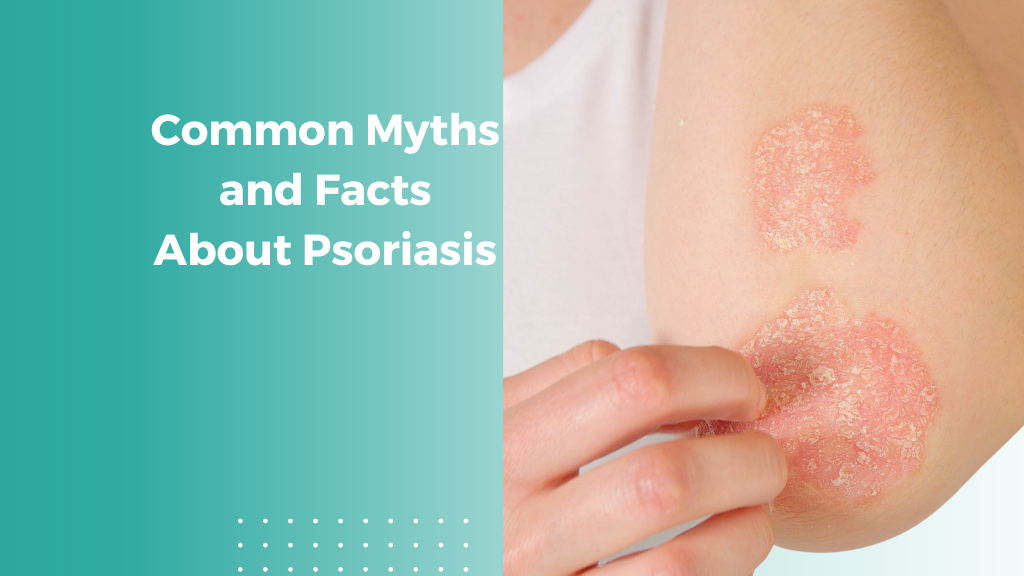
Psoriasis is a chronic skin condition that affects millions of people worldwide, but many still do not understand it well. Many individuals rely on common myths and facts about psoriasis, which can lead to confusion, delayed treatment, and unnecessary anxiety. Understanding the myths and facts about psoriasis is essential for better management and healthier skin.
With help from Dr. Shehla Ebrahim, an experienced skin care physician, patients can learn more about psoriasis, what causes it, and how to manage it well.
What is Psoriasis?
Psoriasis is a long-lasting condition that causes skin cells to build up quickly. This leads to thick, scaly patches that can be red, itchy, or sometimes painful. Although it mostly affects the skin, it is connected to the immune system.
Recognizing early psoriasis symptoms can help in timely diagnosis. These may include:
- Red patches with silvery scales
- Dry or cracked skin that may bleed
- Itching or burning sensation
- Thickened or ridged nails
What causes Psoriasis?
One of the most common questions people ask is what causes psoriasis. This condition does not result from poor hygiene or infections. Rather, it happens when the immune system mistakenly attacks healthy skin cells. Several psoriasis triggers can worsen or flare up the condition, including:
- Stress
- Skin injuries
- Infections
- Weather changes
- Certain medications
Knowing what triggers your psoriasis is important for managing your symptoms.
Common myths about Psoriasis
There are many common misconceptions about psoriasis, which often lead to confusion and delayed treatment. Understanding the truth behind psoriasis myths and facts can help you manage the condition more effectively and recognize early psoriasis symptoms in time.
- Myth: Psoriasis Is Contagious
Fact: Psoriasis is not an infection and cannot be passed from one person to another. It might look like a skin infection, but it is not caused by bacteria or viruses. Instead, it is related to the immune system, which leads to a rapid buildup of skin cells.
- Myth: Psoriasis Is Just a Skin Condition
Fact: Psoriasis appears on the skin, but it is a condition that affects the whole body. It may affect your overall wellness, which is sometimes linked to joint problems, heart disease, and other issues. That’s why it’s important to understand what causes psoriasis, not just focus on the skin.
- Myth: Poor Hygiene Causes Psoriasis
Fact: Psoriasis is not caused by hygiene. It happens because of problems with the immune system, not because of cleanliness. Still, taking care of your skin gently and staying hydrated can help manage symptoms and prevent irritation.
- Myth: Stress Causes Psoriasis
Fact: Stress doesn’t directly answer what causes psoriasis, but it is one of the major psoriasis triggers. It can worsen symptoms or lead to flare-ups, making stress management an important part of care.
- Myth: Psoriasis Always Looks Red
Fact: Psoriasis does not look the same on everyone. On lighter skin, it often appears red or pink. On deeper skin tones, it may look darker, purple, or brown. Because of these differences, getting a diagnosis can sometimes take more time.
- Myth: Psoriasis Can Be Cured
Fact: There is no permanent cure, but psoriasis can be managed successfully. With the right treatment plan, many people experience long symptom-free periods. Early care can also help control early psoriasis symptoms and prevent worsening.
- Myth: It’s Always Genetic
Fact: Genetics can raise your risk, but not everyone with a family history gets psoriasis. Your lifestyle and environment also matter.
- Myth: Diet and Lifestyle Don’t Matter
Fact: What you eat and your habits can affect inflammation. Processed foods, too much sugar, and alcohol can make flare-ups worse, while anti-inflammatory foods can help manage symptoms.
- Myth: Sunlight Always Makes It Worse
Fact: A little sunlight may help ease symptoms for some people, but too much can make things worse. Try to find a balance that works for you.
- Myth: Exercise Worsens Psoriasis
Fact: Regular exercise can help lower inflammation, improve your health, and reduce flare-ups.
Effective Management and Treatment
Managing psoriasis is different for everyone. At Dr. Shehla Ebrahim’s clinic, treatment plans are tailored to each person’s skin type, the severity of their psoriasis, and their triggers.
Common treatment options include:
- Topical medications to reduce inflammation
- Light therapy (phototherapy)
- Oral or injectable medications for severe cases
- Lifestyle modifications to control triggers
Besides medical treatment, maintaining a good skincare routine and avoiding triggers can make a big difference.
Lifestyle tips to manage Psoriasis
Along with treatment, some habits can help you control your symptoms:
- Keep your skin moisturized.
- Manage stress through relaxation techniques.
- Avoid harsh skincare products.
- Follow a balanced diet rich in antioxidants.
- Protect your skin from injuries.
Sticking to your routine is important when managing a long-term condition like psoriasis.
When to seek professional skin care advice
If you notice ongoing changes in your skin, such as itching or scaling, it’s important to talk to a physician. Getting diagnosed early can help prevent problems and improve your quality of life.
Dr. Shehla Ebrahim provides tailored care, helping each patient understand their condition and find the best ways to achieve long-term relief.
Â
Take control of your skin health today
Want to finally understand psoriasis and separate fact from fiction? Learn about psoriasis myths and facts and discover how to spot early psoriasis symptoms, identify psoriasis triggers, and understand what causes psoriasis. Book a consultation today, with trusted skin care physician like Dr. Shehla Ebrahim, with her guidance you can manage the condition effectively, address common misconceptions about psoriasis, and work toward clearer, healthier, and more confident skin.
Book a quick, remote consultation with Dr. Ebrahim today.
FAQ
- Is psoriasis just a skin problem?
No, psoriasis results from immune system dysfunction and can impact not only the skin but also the joints and general health.
- Do only adults get psoriasis?
No, psoriasis can develop at any age, including in children and teenagers.
- Does sunlight make psoriasis worse?
Not always. Getting some sunlight might help with symptoms, but spending too much time in the sun can make them worse.
- Is psoriasis caused by stress?
Stress does not directly cause psoriasis, but it is a major trigger that can worsen symptoms or lead to flare-ups.
- Can psoriasis go away on its own?
Psoriasis is a chronic condition. While symptoms may improve or go into remission, it usually requires ongoing management.