
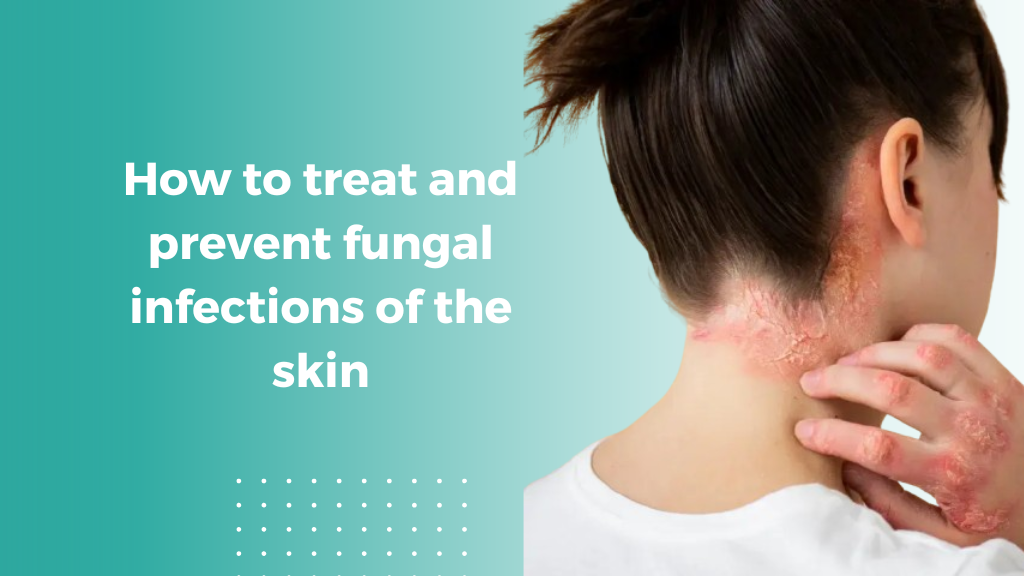
How to treat and prevent fungal infections of the skin
Fungal infections of the skin are more common than you might think, affecting millions of people worldwide.
These pesky conditions, caused by various types of fungi, can lead to discomfort, itching, and unsightly skin changes.
But don’t worry—effective treatment for fungal infections is within reach, and prevention is easier than you might expect.
Fungal infection of skin – A closer look
Fungal infections of the skin occur when fungi—tiny organisms that thrive in warm, moist environments—overgrow on or beneath the skin’s surface.
These infections can appear anywhere on the body, from your feet (think athlete’s foot) to your scalp or nails.
🚨According to the American Academy of Dermatology, fungal infections affect nearly 20% of the population at some point, making them a widespread concern.
Fungal infection of skin – Common types
Here are some of the most frequent fungal infections of the skin:
- Athlete’s foot: Affects the feet, causing itching, redness, and cracked skin.
- Ringworm: Not a worm, but a circular, red, scaly rash on the body or scalp.
- Jock itch: Common in the groin area, leading to itching and irritation.
- Yeast infections: Often caused by Candida, these can affect skin folds or nails.
- Nail fungus: Thickens and discolors nails, often requiring specialized treatment.
Understanding the type of fungal infection of the skin you’re dealing with is the first step toward effective treatment for fungal infections. Dr. Shehla Ebrahim can help identify the specific condition and tailor a plan to address it.
Fungal infection of skin – Causes
Fungi love warm, damp environments, which is why fungal infections of the skin often occur in areas like sweaty shoes, locker rooms, or skin folds. Factors that increase your risk include:
- Excessive sweating: Perspiration creates a perfect breeding ground for fungi.
- Tight clothing or shoes: These trap moisture, encouraging fungal growth.
- Weakened immune system: Conditions like diabetes or medications can make you more susceptible.
- Shared spaces: Public showers, pools, or gym equipment can harbor fungi.
- Poor hygiene: Infrequent washing or drying of skin increases risk.
Knowing these triggers can empower you to take steps toward prevention and seek timely treatment for fungal infections.
Effective treatment for fungal infections
Treating fungal infections of the skin requires a targeted approach, depending on the infection’s type and severity. Dr. Shehla Ebrahim emphasizes a comprehensive strategy to ensure lasting relief and prevent recurrence. Here are some common treatment approaches:
Prescription treatments
For stubborn or widespread fungal infections, a skin care physician like Dr. Ebrahim may prescribe:
- Oral antifungals: Medications for severe cases.
- Stronger topical treatments: Prescription-strength creams for faster relief.
- Nail-specific therapies: Specialized solutions or oral medications for fungal nail infections.
Home care tips during treatment
To support your treatment for fungal infections:
- Keep the affected area clean and dry.
- Avoid sharing towels, shoes, or clothing.
- Wear breathable fabrics like cotton.
- Follow your physician’s instructions diligently to avoid recurrence.
Dr. Ebrahim’s personalized approach ensures that your treatment for fungal infections is tailored to your specific needs, promoting faster recovery and long-term skin health.
Preventing fungal infections of the skin
Prevention is key when it comes to fungal infections of the skin. By adopting simple habits, you can significantly reduce your risk. Here are Dr. Ebrahim’s top tips to keep fungi at bay:
Every day prevention strategies
- Stay Dry: Dry your skin thoroughly after bathing, especially between your toes and in skin folds.
- Wear Breathable Shoes: Opt for shoes that allow air circulation, and change socks daily.
- Avoid Walking Barefoot in Public: Use flip-flops in locker rooms, pools, or public showers.
- Wash Regularly: Cleanse sweaty areas with soap and water to remove fungi-friendly moisture.
- Use Antifungal Powders: Sprinkle these in shoes or on skin prone to fungal infections.
Long-term habits for healthy skin
- Maintain a balanced diet to support your immune system.
- Choose loose-fitting clothing to reduce moisture buildup.
- Regularly sanitize items like towels, socks, and gym equipment.
By incorporating these practices, you can minimize the chances of developing a fungal infection of the skin and keep your skin healthy and comfortable.
When to seek professional help
While mild fungal infections of the skin can often be managed at home, persistent or worsening symptoms call for professional care. If you notice:
- Spreading redness or rash
- Painful or oozing skin
- No improvement after two weeks of over-the-counter treatment
- Recurring infections
It’s time to consult a skin care physician. Dr. Shehla Ebrahim offers thorough evaluations and customized treatment plans to address even the most stubborn fungal infections.
Consult Dr. Shehla Ebrahim – Keep fungal infections at bay.
Fungal infections of the skin don’t have to disrupt your life. With the right treatment for fungal infections and proactive prevention strategies, you can restore your skin’s health and confidence.
Dr. Shehla Ebrahim is committed to helping you achieve clear, comfortable skin through personalized care and practical advice.