
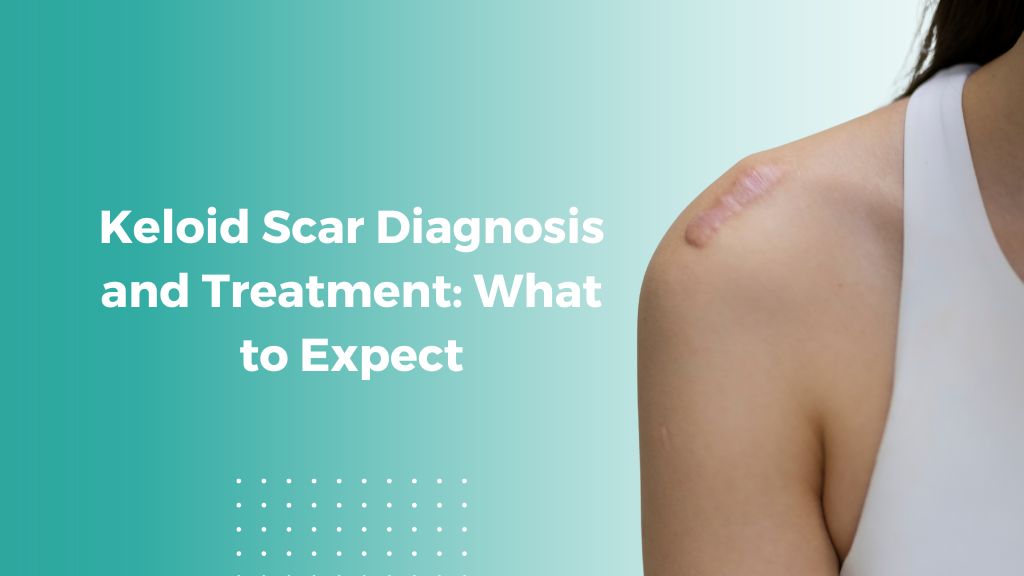
Keloid scars can be uncomfortable and make you feel self-conscious. If you want to understand these raised, itchy skin growths and find effective solutions, you’ve come to the right place.
Dr. Shehla Ebrahim, a leading expert, provides advanced treatment for keloid scars, enabling countless people to regain their confidence and comfort.
We will tell you everything you need to know about keloid scars, from their diagnosis to the various keloid removal options available.
Understanding keloid scars: More than just a mark on skin
Have you ever wondered why some scars heal flat while others become raised and noticeable? That’s the hallmark of a keloid scar.
Unlike typical scars that flatten over time, keloids are dense and fibrous overgrowths of tissue that extend beyond the original wound boundaries. They can appear after even minor skin injuries, such as:
- Acne
- Piercings
- Cuts and scrapes
- Surgical incisions
- Vaccinations
- Burns
Keloids are more common in darker skin tones and those with a family history of keloids.
What do keloid scars look like?
Keloid scars can vary in size and shape, but they typically share some common characteristics:
- Raised and prominent: They stand elevated above the surrounding skin.
- Firm and rubbery to the touch: They have a dense, often hard texture.
- Shiny and smooth: The surface often appears taut and glossy.
- Color variations: They can range from pink or red to brown or flesh-colored.
- Itchy or painful: Many individuals experience discomfort, itching, or even tenderness in the keloid area.
- Tend to grow over time: Unlike hypertrophic scars (which stay within the wound boundaries and often regress), keloids can continue to enlarge for months or even years.
Diagnosing keloid scars: What to expect at your consultation
A thorough diagnosis is the first step towards effective treatment for keloid scars.
The diagnostic process typically involves
- Visual examination: Dr. Ebrahim will carefully observe the scar’s appearance, size, and location.
- Medical history review: She will ask about any past injuries, surgeries, or skin conditions, as well as your family history of keloid scars.
- Discussion of symptoms: You’ll have the opportunity to describe any itching, pain, or discomfort associated with the keloid.
- Biopsy (in some cases): To rule out other skin conditions, a small tissue sample (biopsy) might be taken for microscopic examination. However, the diagnosis of keloid scars is often made based on their characteristic appearance.
Dr. Ebrahim’s approach ensures an accurate diagnosis, laying the foundation for a personalized keloid removal plan tailored to your specific needs.
Treatment for keloid scars: Your options for keloid removal
The most suitable approach depends on the size, location, and age of the keloid, as well as individual patient factors. Dr. Shehla Ebrahim specializes in a range of advanced keloid removal techniques, offering comprehensive care.
Common and effective keloid removal strategies
- Corticosteroid injections: This is often a first-line treatment for keloid scars. Steroids are injected directly into the keloid to reduce inflammation, flatten the scar, and alleviate itching. Multiple sessions are usually required.
- Surgical excision: For larger or older keloid scars, surgical keloid removal might be recommended. However, surgery alone carries a risk of keloid recurrence, often larger than the original. Therefore, it’s frequently combined with other treatments.
- Cryotherapy: This involves freezing the keloid with liquid nitrogen, which can help flatten and reduce its size. It’s often used for smaller keloid scars.
- Laser therapy: Various lasers, such as pulsed dye lasers, can be used to reduce the redness and improve the texture of keloid scars. Laser therapy is often combined with other treatments for optimal results.
- Silicone sheets or gels: These topical treatments can help flatten and soften keloid scars by providing hydration and pressure. They are often used as a preventive measure after surgical keloid removal.
- Radiation therapy: In some resistant cases, low-dose radiation therapy may be considered after surgical keloid removal to prevent recurrence. This is a specialized treatment for keloid scars that is used cautiously.
- Fluorouracil (5-FU) injections: This chemotherapy drug can be injected into the keloid to inhibit its growth and promote flattening.
- Pressure garments: For keloids on certain body areas, continuous pressure can help prevent their growth and flatten existing ones.
No single treatment for keloid scars is universally effective, and often, a combination of therapies yields the best results.
Why choose Dr. Shehla Ebrahim for your keloid removal?
Dr. Shehla Ebrahim understands the impact keloid scars can have on your quality of life. Her approach to keloid removal is rooted in:
- Personalized treatment plans: Dr. Ebrahim assesses each patient individually, developing a customized treatment for keloid scars strategy that addresses their unique needs and goals.
- Expertise in advanced techniques: She stays abreast of the latest advancements in care, offering a wide array of effective keloid removal options.
- Minimizing recurrence: Dr. Ebrahim employs strategies to minimize the risk of keloid recurrence, which is a common concern with keloid scars. This often involves a multi-modal approach.
- Compassionate care: You’ll receive empathetic and supportive care throughout your keloid removal journey, ensuring your comfort and understanding at every step.
Consult Dr. Shehla Ebrahim for Expert Care
Don’t let keloid scars diminish your confidence.
Dr. Shehla Ebrahim offers expert diagnosis and a comprehensive range of advanced treatment for keloid scars, helping you achieve smoother, more comfortable skin.
Book an appointment today!
_____________________________________________________________________________________
Frequently Asked Questions about Keloid Scars
Are keloid scars dangerous or a sign of an underlying health issue?
No, keloid scars are benign (non-cancerous) and generally not a sign of an underlying health issue. They are primarily a cosmetic concern, though they can sometimes be itchy or painful.
Can keloid scars go away on their own?
Unlike some other types of scars, keloid scars typically do not go away on their own and often continue to grow. Effective treatment for keloid scars is usually required to reduce their size and appearance.
Is keloid removal painful?
The discomfort associated with keloid removal treatments varies. Many procedures, like corticosteroid injections, involve minimal pain. Dr. Shehla Ebrahim prioritizes patient comfort and will discuss pain management options for any chosen keloid removal method.
How long does it take to see results from keloid scar treatment?
The time to see results from treatment for keloid scars can vary significantly depending on the size and age of the keloid, as well as the chosen treatment method. Multiple sessions are often required, and gradual improvement is typically observed over weeks to months.
Can I prevent keloid scars from forming?
While complete prevention isn’t always possible, especially if you’re prone to them, you can minimize the risk by practicing good wound care, avoiding unnecessary skin trauma (like elective piercings or tattoos if you have a history of keloids), and seeking early consultation with Dr. Shehla Ebrahim for any suspicious new scars.